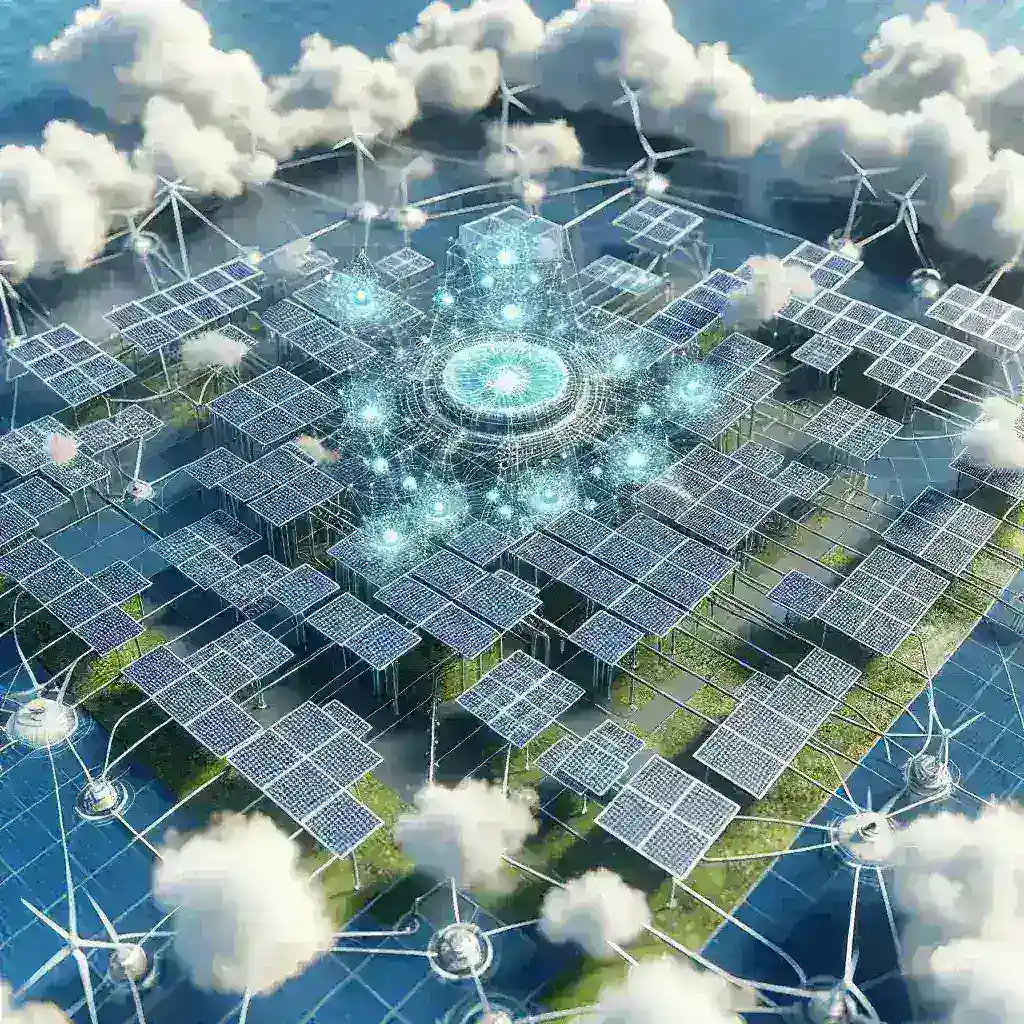
Understanding Distributed Photovoltaic Systems
Distributed photovoltaic (DPV) systems have gained significant traction in recent years as a sustainable energy solution. These systems consist of solar panels installed on residential, commercial, or industrial properties, enabling users to generate their own electricity. While DPV systems are largely beneficial, they are not without vulnerabilities that can impact their efficiency and reliability.
Historical Context of Distributed Photovoltaic Systems
The evolution of photovoltaic technology dates back to the 1950s, with the first practical solar cell invented in 1954. However, the proliferation of distributed systems began in the late 1990s and early 2000s, driven by the need for renewable energy sources and advances in solar technology. With growing environmental concerns and government incentives, the deployment of DPV systems has surged, yet this growth has come with its own set of challenges.
Common Vulnerabilities in DPV Systems
Despite their advantages, distributed photovoltaic systems face several vulnerabilities:
- Technical Vulnerabilities: These include issues related to system design, installation, and maintenance. Inadequate installation practices can lead to performance degradation and safety hazards.
- Cybersecurity Risks: As DPV systems become more integrated with smart grid technologies, they become susceptible to cyber attacks. Hackers may exploit vulnerabilities to gain unauthorized access and disrupt operations.
- Environmental Factors: Weather conditions, such as extreme temperatures, hail, and heavy snowfall, can damage solar panels and affect their performance.
- Regulatory Challenges: Changing regulations and policies can create uncertainty for DPV system owners, impacting their financial viability and long-term planning.
- Supply Chain Issues: Global supply chain disruptions can affect the availability and cost of components necessary for DPV installations.
Case Studies: Real-World Examples of Vulnerabilities
Case Study 1: Cybersecurity Breach
In 2020, a major utility company experienced a cyberattack that targeted its distributed energy resources, including DPV systems. The breach compromised customer data and disrupted energy distribution, highlighting the importance of robust cybersecurity measures in solar technologies.
Case Study 2: Environmental Impact
In 2019, a severe hailstorm caused significant damage to rooftop solar installations in a Midwestern state, leading to costly repairs and energy losses. This incident underscores the need for durable materials and protective measures in DPV systems.
Future Predictions for Distributed Photovoltaic Systems
Looking ahead, the future of distributed photovoltaic systems will likely focus on enhancing resilience against identified vulnerabilities. Innovations in technology, such as advanced materials that withstand extreme weather and improved cybersecurity protocols, will play a crucial role in strengthening DPV systems.
Pros and Cons of Distributed Photovoltaic Systems
Pros:
- Reduction in energy costs for homeowners and businesses.
- Lower carbon footprint and contribution to sustainability efforts.
- Increased energy independence and resilience during outages.
Cons:
- Initial installation costs can be high.
- Vulnerability to environmental damage and cyber threats.
- Dependency on regulatory frameworks that may change.
Mitigation Strategies
To address these vulnerabilities, stakeholders in the DPV sector can implement several mitigation strategies:
- Robust Design and Installation: Ensuring that systems are designed and installed according to best practices can minimize technical vulnerabilities.
- Cybersecurity Measures: Regularly updating software and employing encryption can help protect against cyber threats.
- Insurance and Risk Management: Investing in comprehensive insurance policies that cover environmental damage and system failures can safeguard investments.
- Regulatory Compliance: Staying informed about regulatory changes and ensuring compliance can mitigate risks associated with policy shifts.
Conclusion: The Path Forward
As the demand for renewable energy continues to rise, understanding and addressing the vulnerabilities in distributed photovoltaic systems will be critical for their sustainable adoption. By investing in technology, robust design, and cybersecurity, stakeholders can enhance the resilience of DPV systems, ensuring they play a significant role in the global transition to clean energy.
Expert Quotes
“The future of solar energy depends not only on advancements in technology but also on our ability to protect these systems from vulnerabilities that could undermine their effectiveness,” says Dr. Jane Smith, a leading solar energy researcher.
Statistics
According to the International Energy Agency, the share of solar energy in global electricity generation could reach 30% by 2030, making it essential to address vulnerabilities to sustain this growth.

Leave a Reply