Introduction
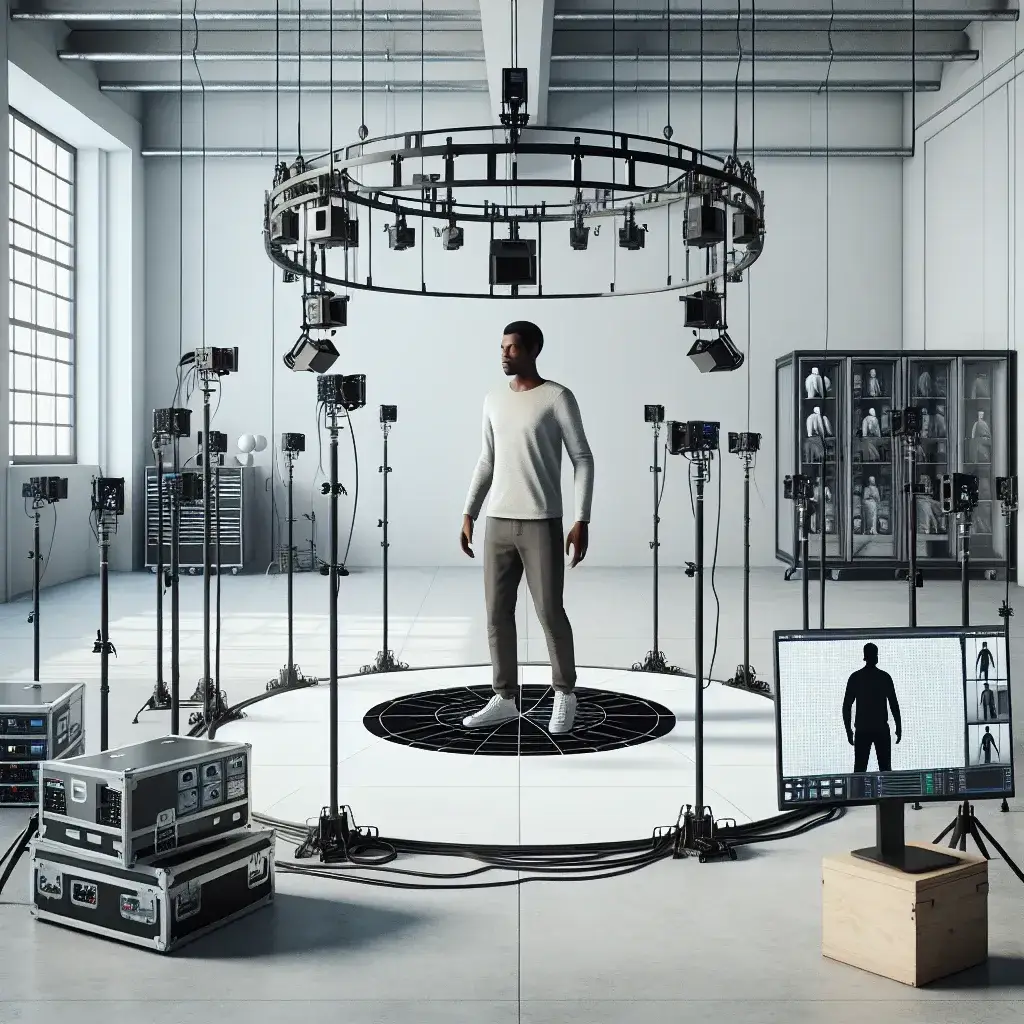
The advent of volumetric capture studios has transformed the landscape of digital modeling, enabling the creation of photorealistic 3D models of real people. This advanced technology not only enhances visual storytelling in various industries such as gaming, film, and virtual reality, but also opens new avenues for immersive experiences. In this article, we will delve into the intricacies of volumetric capture, its historical context, the technology behind it, and its future potential.
The Evolution of 3D Modeling
3D modeling has come a long way since its inception. Initially, the process was labor-intensive and required skilled artists to create models that often lacked realism. The introduction of 3D scanning marked a significant turning point; however, it was volumetric capture that truly bridged the gap between reality and the digital world.
Historical Context
Volumetric capture technology has its roots in the 1990s, primarily used in film and animation studios. As technology advanced, the need for more realistic and engaging models became apparent. By the early 2000s, researchers began developing systems that could capture an object or a person from multiple angles simultaneously, leading to the rise of volumetric capture.
What is Volumetric Capture?
Volumetric capture is a process that records a real-world object or person in three dimensions, creating a digital hologram that can be viewed from any angle. It utilizes a combination of depth sensors, cameras, and sophisticated software to generate a highly detailed, photorealistic model.
How It Works
- Data Collection: Multiple cameras capture images of the subject from various angles, while depth sensors gather spatial information.
- Processing: The collected data is processed through complex algorithms to create a 3D mesh of the subject.
- Texturing: High-resolution textures are mapped onto the mesh, ensuring that the final model is lifelike and true to the original.
The Advantages of Volumetric Capture Studios
Volumetric capture studios offer several advantages over traditional 3D modeling techniques:
- Realism: The technology delivers unmatched realism, capturing minute details such as skin texture, hair, and facial expressions.
- Efficiency: The process significantly reduces the time and effort required to create realistic models compared to manual modeling.
- Interactivity: Users can interact with the 3D models in real-time, enhancing engagement in applications like virtual reality and gaming.
Cultural Relevance
As society increasingly gravitates towards digital environments, the relevance of volumetric capture has surged. In the realms of entertainment, education, and marketing, photorealistic 3D models help convey stories and ideas in a compelling manner. For example, in the film industry, directors can use volumetric capture to create lifelike performances that resonate with audiences.
Challenges and Considerations
Despite its advantages, volumetric capture is not without challenges:
- Cost: Establishing a volumetric capture studio requires significant investment in technology and infrastructure.
- Technical Expertise: Specialized skills are necessary to operate the equipment and process the data effectively.
- Data Management: The high volume of data generated can pose storage and management challenges.
The Future of Volumetric Capture
The future of volumetric capture is bright, with continuous advancements in technology. Here are some predictions:
- Increased Accessibility: As costs decrease and technology becomes more user-friendly, more studios and creators will have access to volumetric capture.
- Integration with AI: Artificial intelligence will play a significant role in automating aspects of the capture and processing, streamlining workflows.
- Expansion into New Industries: Beyond entertainment, industries like healthcare, education, and advertising are expected to adopt volumetric capture for various applications.
Real-World Applications
Volumetric capture is already being utilized in numerous fields:
Entertainment and Gaming
In the gaming industry, volumetric capture allows developers to create characters that exhibit realistic movements and expressions, enhancing player immersion. Titles like Star Wars: Battlefront have leveraged this technology to bring beloved characters to life.
Virtual Reality and Augmented Reality
In VR and AR applications, volumetric capture enables users to experience environments and characters in a way that feels authentic. This technology enhances training simulations, educational experiences, and virtual tours.
Marketing and Advertising
Brands are beginning to use photorealistic 3D models in advertising campaigns, allowing consumers to engage with products in an interactive manner. For instance, virtual try-ons in fashion retail are becoming increasingly popular.
Conclusion
Volumetric capture studios are at the forefront of creating photorealistic 3D models of real people, blending cutting-edge technology with artistic creativity. As this technology continues to evolve, it promises to reshape how we interact with the digital world, making experiences more immersive and engaging than ever before. The potential applications are vast, spanning from entertainment to education, and the future looks promising for those who harness the power of volumetric capture.

Leave a Reply