Introduction
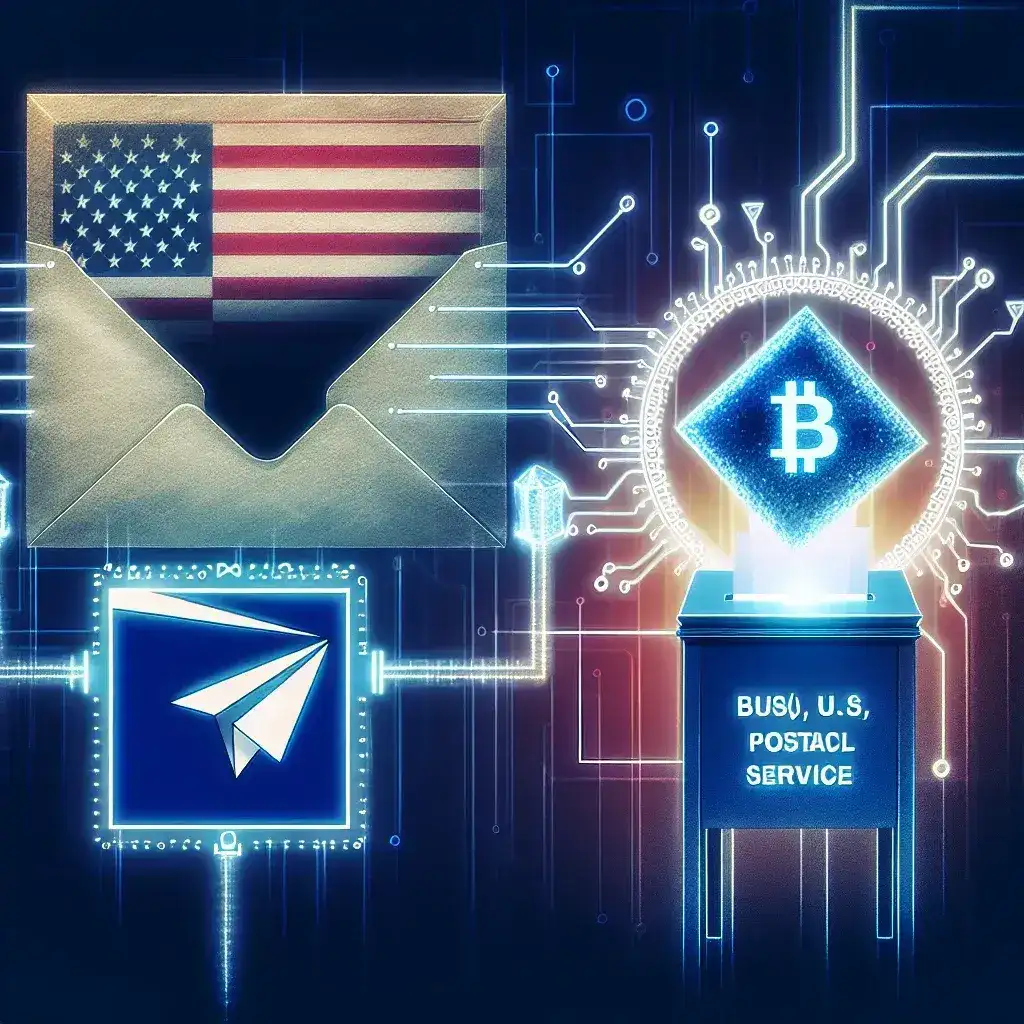
The U.S. Postal Service (USPS) is embarking on a groundbreaking initiative by testing a blockchain-based voting system prototype. This innovative approach has the potential to revolutionize the electoral process, ensuring greater security and accessibility for voters nationwide. In this article, we will delve into the intricacies of this technology, its historical context, advantages and disadvantages, and what it could mean for the future of voting in the United States.
The Historical Context of Voting Systems
Voting systems have evolved significantly over the centuries, from paper ballots to electronic voting machines. The introduction of mail-in voting has further transformed how citizens participate in elections, particularly in the wake of the COVID-19 pandemic. As technology continues to advance, the need for secure and efficient voting solutions becomes increasingly important.
Emergence of Blockchain Technology
Blockchain technology, a decentralized and secure method of recording information, has gained prominence due to its association with cryptocurrencies. However, its potential applications extend far beyond digital currencies. In the context of voting, blockchain offers a method to create tamper-proof records of votes, ensuring transparency and integrity.
U.S. Postal Service’s Initiative
The USPS’s decision to test a blockchain-based voting system prototype stems from the desire to enhance the security and efficiency of the voting process. With increasing concerns about election integrity, this initiative aims to address those fears while making voting more accessible to all citizens.
Key Features of the Prototype
- Security: Blockchain’s inherent security features, such as cryptographic encryption and decentralization, protect against tampering and fraud.
- Transparency: Every vote cast is recorded on the blockchain, allowing for real-time tracking and auditing of the electoral process.
- Accessibility: Voting via a blockchain system could provide easier access for individuals with disabilities, as well as those living overseas.
Advantages of a Blockchain-Based Voting System
Implementing a blockchain-based voting system brings numerous potential benefits:
- Increased Trust: By utilizing blockchain technology, voters can have greater confidence in the security and legitimacy of the electoral process.
- Reduced Costs: A digital voting system could lower costs associated with printing ballots and staffing polling stations.
- Faster Results: Blockchain could facilitate quicker vote counting and result reporting, enhancing the overall efficiency of elections.
Challenges and Concerns
Despite its advantages, the implementation of a blockchain voting system is not without challenges:
- Technical Barriers: Ensuring that all voters have access to the necessary technology and internet connectivity is crucial for success.
- Public Acceptance: Voter apprehension towards new technologies may hinder widespread adoption.
- Regulatory Issues: Developing a regulatory framework to govern blockchain voting will be essential to ensure its legality and security.
Future Predictions
As the USPS continues to test its blockchain voting prototype, the implications for future elections could be significant. Experts predict that if successful, this technology could pave the way for other states and jurisdictions to adopt similar systems, further enhancing the integrity of the democratic process.
Real-World Examples
Other countries have already begun exploring blockchain for voting purposes. For instance, in 2019, Utah County in the United States allowed overseas voters to cast ballots using a blockchain-based application. This pilot program demonstrated the potential of the technology and generated interest in its wider applications.
Conclusion
The U.S. Postal Service’s testing of a blockchain-based voting system prototype represents a significant step towards modernizing the electoral process. By addressing issues of security, accessibility, and transparency, this initiative holds the promise of enhancing voter confidence and participation in democracy. As we move forward, it will be essential to monitor the outcomes of these tests and consider the broader implications of adopting blockchain technology in future elections.

Leave a Reply