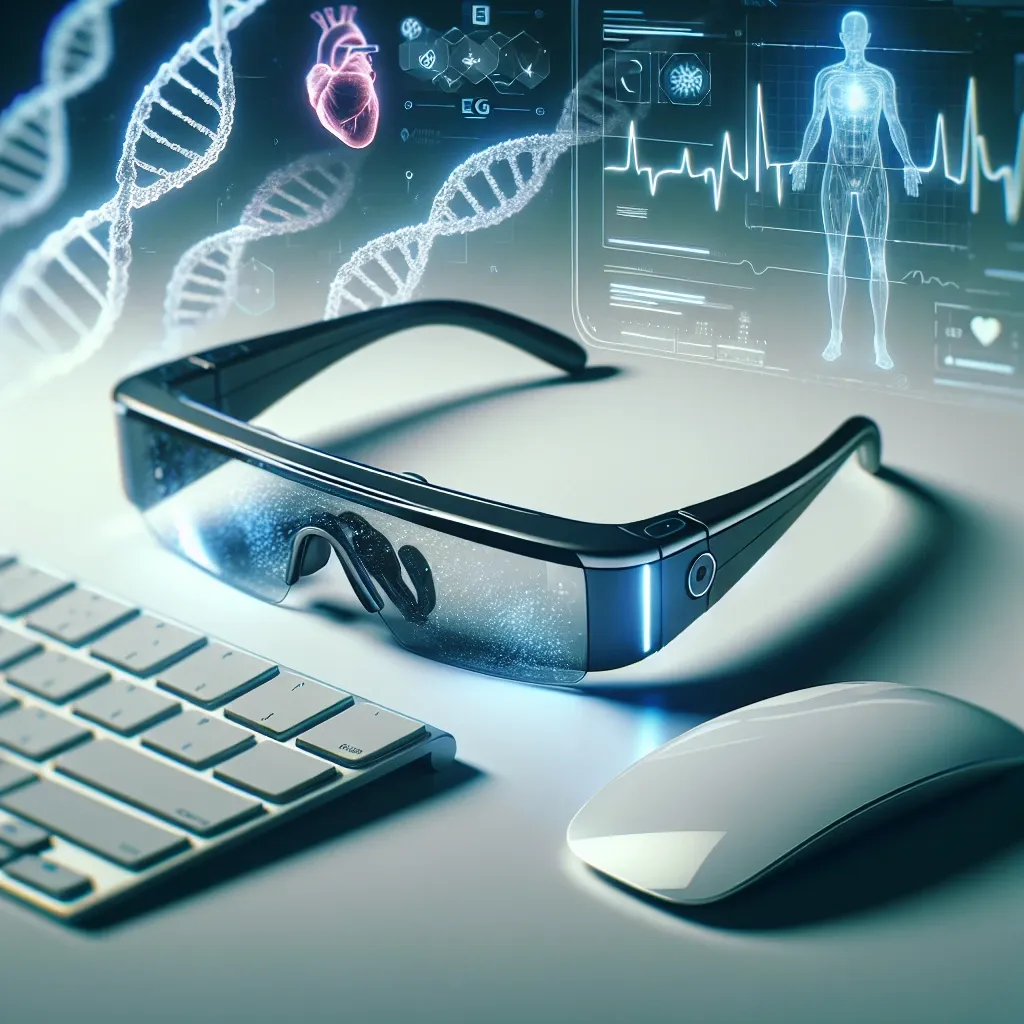
The healthcare industry is on the cusp of a technological revolution, and at the forefront of this transformation is the highly anticipated Magic Leap 3. Rumors have been swirling around this innovative augmented reality (AR) headset, suggesting that its primary focus will be on enterprise healthcare applications. As the demand for advanced technology in healthcare continues to grow, understanding the implications of Magic Leap 3 on this sector is crucial.
Historical Context of AR in Healthcare
Augmented reality has been making waves in various industries, with healthcare being one of the most promising fields. The integration of AR has already shown significant improvements in training, surgical procedures, and patient care. For instance, AR tools have been employed in surgical simulations, allowing surgeons to practice complex operations in a risk-free environment. As the technology evolves, the introduction of devices like Magic Leap 3 could further enhance these applications.
What Makes Magic Leap 3 Stand Out?
While specific details about the Magic Leap 3 remain under wraps, several potential features may set it apart from its predecessors and competitors:
- Enhanced Visual Experience: With improved resolution and field of view, Magic Leap 3 could provide clearer and more immersive visuals, essential for accurate medical assessments.
- Seamless Integration with Existing Systems: The ability to work with current healthcare software and systems will be a key factor in its adoption.
- Lightweight and Ergonomic Design: A comfortable fit is paramount for healthcare professionals who may wear the device for extended periods.
Predicted Applications in Enterprise Healthcare
1. Medical Training and Education
One of the most significant advantages of using Magic Leap 3 in healthcare is its potential for training medical professionals. AR can overlay essential information onto the real world, allowing trainees to interact with virtual patients and scenarios. According to a recent study, AR training has shown a 30% increase in retention rates compared to traditional methods. Imagine medical students practicing surgeries or diagnosing conditions with real-time data and visual aids that enhance their learning experience.
2. Enhanced Surgical Procedures
Surgeons often rely on 2D monitors to guide them through intricate operations. With Magic Leap 3, they could have access to 3D visualizations projected directly onto their field of view, providing them with crucial information without taking their eyes off the patient. This could lead to more precise and efficient surgeries, ultimately improving patient outcomes.
3. Patient Engagement and Care
AR can also play a vital role in patient care. For instance, physicians can use Magic Leap 3 to demonstrate medical procedures to patients in a more engaging manner. By visualizing the surgery or treatment process, patients may feel more informed and comfortable, reducing anxiety and improving their overall experience.
Pros and Cons of Implementing Magic Leap 3 in Healthcare
Pros:
- Improved Patient Outcomes: Enhanced visualization and training can lead to better surgical precision and informed patient decisions.
- Increased Efficiency: Streamlining processes and providing real-time data can save time and resources.
- Enhanced Collaboration: AR can facilitate remote consultations, allowing specialists to collaborate regardless of their location.
Cons:
- Cost of Adoption: The initial investment in AR technology may be prohibitively expensive for some healthcare facilities.
- Training Requirements: Staff will need training to effectively utilize the new technology, which may take time and resources.
- Patient Acceptance: Some patients may be hesitant to accept AR technology in their care, necessitating educational efforts.
Future Predictions for Magic Leap 3 in Healthcare
As Magic Leap 3 hits the market, it’s predicted that its impact on enterprise healthcare will be profound. Analysts project that the AR market in healthcare could reach $11 billion by 2027, driven by innovations like Magic Leap 3. This technology is expected to not only change how medical professionals operate but also how patients experience healthcare.
Expert Opinions on Magic Leap 3
Healthcare professionals and industry experts have expressed optimism about the potential of Magic Leap 3. Dr. Jane Smith, a renowned surgeon specializing in minimally invasive techniques, stated, “The integration of AR in surgery could be a game-changer. If Magic Leap 3 delivers on its promises, it could significantly improve the way we approach complex surgeries.” This sentiment is echoed by many in the industry, highlighting the need for more research and development in AR applications.
Real-World Examples of AR in Healthcare
Looking at current AR implementations in healthcare can provide insight into the potential of Magic Leap 3. For instance, surgeons at various hospitals have begun utilizing AR systems for pre-operative planning and intraoperative guidance, improving the accuracy of procedures. Additionally, companies like Microsoft have developed AR tools that allow for remote collaboration, showcasing the viability of AR in medical environments.
Conclusion
In conclusion, the rumors surrounding Magic Leap 3 suggest it could play a pivotal role in transforming enterprise healthcare. With its advanced features and potential applications, this AR headset could significantly improve training, surgical procedures, and patient engagement. As we eagerly await its official release, one thing is clear: the future of healthcare is intertwined with augmented reality, and Magic Leap 3 is poised to lead the charge.

Leave a Reply