Introduction
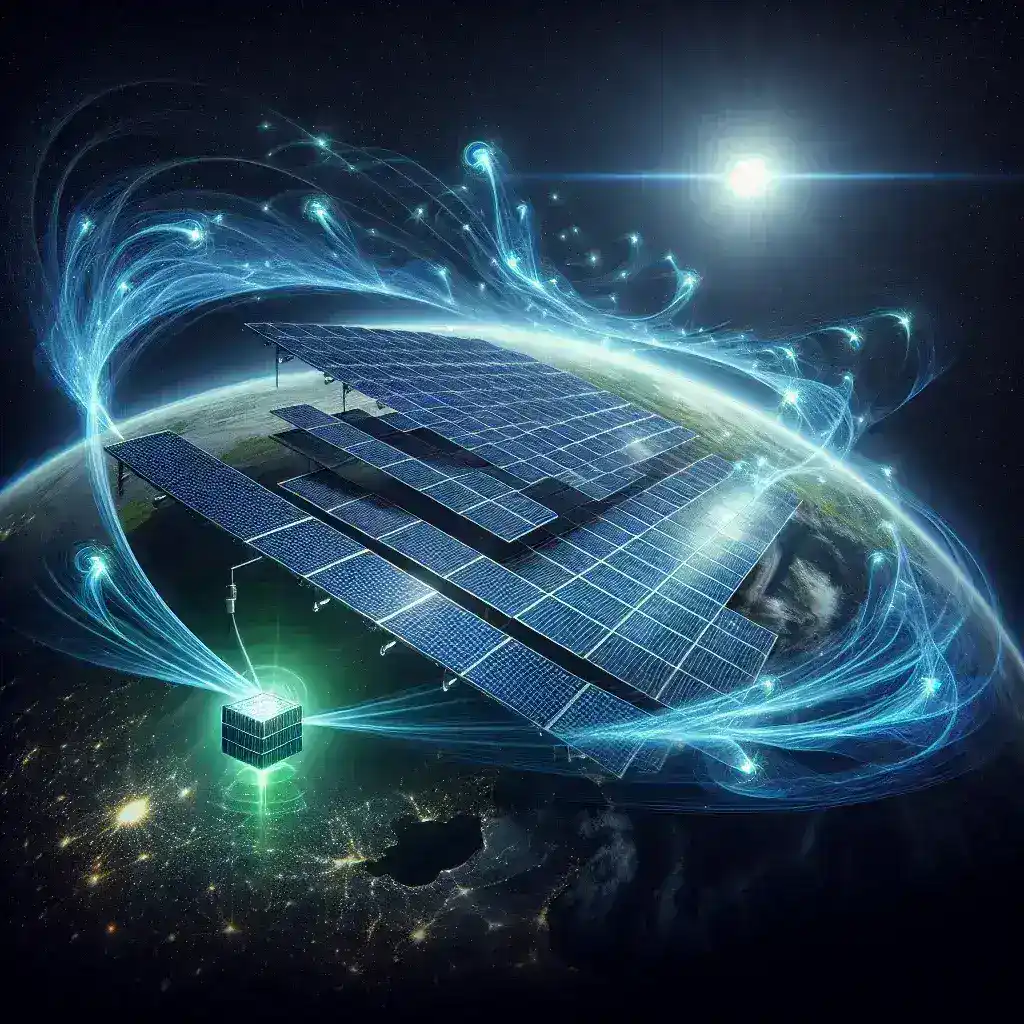
In recent years, the concept of space-based solar power (SBSP) has transitioned from science fiction to an emerging reality. This revolutionary technology focuses on capturing solar energy in space and transmitting it wirelessly to Earth, offering a sustainable solution to meet the world’s ever-increasing energy demands. The successful demonstration of energy delivery through SBSP heralds a new era for renewable energy, promising to mitigate energy scarcity and reduce reliance on fossil fuels.
The Technology Behind Space-Based Solar Power
At the heart of SBSP lies a sophisticated system combining solar panels, energy storage, and wireless power transmission technologies. These systems operate as follows:
- Solar Collection: Solar panels installed on satellites orbiting the Earth capture sunlight, which is abundant and uninterrupted in space.
- Energy Conversion: The collected solar energy is converted into microwave or laser energy for efficient transmission.
- Wireless Transmission: The energy is beamed down to Earth using advanced technologies, allowing it to reach remote locations.
- Reception and Distribution: Ground stations, equipped to receive the transmitted energy, convert it back into usable electricity for homes and industries.
Historical Context
The idea of harnessing solar power from space dates back to the 1960s. However, it wasn’t until recently that advancements in technology made SBSP feasible. Initial research focused on the theoretical underpinnings, but significant breakthroughs in satellite technology, materials science, and wireless transmission methods have set the stage for practical applications.
Key Milestones
- 1968: The concept of space solar power was introduced by Dr. Peter Glaser, laying the groundwork for future research.
- 2007: The Japan Aerospace Exploration Agency (JAXA) launched its first experiments to evaluate SBSP technologies.
- 2020: The Chinese Academy of Sciences successfully tested a prototype in orbit, demonstrating the feasibility of energy transmission from space.
- 2023: Recent experiments by private companies and governmental organizations have showcased successful energy delivery, marking a significant step forward.
Successful Demonstrations of Energy Delivery
The practical application of SBSP has seen notable advancements recently. In 2023, several experiments confirmed the viability of this technology:
Case Studies
- JAXA’s Experiment: Japan successfully transmitted 1 kilowatt of power over a distance of 1,000 kilometers. This experiment demonstrated that energy could be efficiently sent from space to ground.
- SpaceX and NASA Collaboration: A joint project aimed at deploying SBSP technologies in low Earth orbit is currently underway, with trials showcasing the capability to deliver energy to disaster-stricken areas.
- Private Sector Innovations: Companies like SolarSpace have emerged, developing more efficient satellite designs for solar power collection and transmission.
The Future of Space-Based Solar Power
Potential Impacts
The implications of successful SBSP technology are profound:
- Global Energy Security: SBSP can provide a continuous energy supply, significantly reducing dependence on fossil fuels.
- Disaster Relief: With the ability to transmit energy to remote areas, SBSP can ensure power is available during natural disasters or infrastructure failures.
- Environmental Benefits: By harnessing solar energy from space, we can minimize the environmental impacts associated with traditional energy sources.
Challenges Ahead
While the future looks promising, several challenges must be addressed:
- Cost: The initial setup and deployment of SBSP systems are prohibitively expensive. Innovations in technology and international collaboration may help reduce these costs over time.
- Regulatory Framework: The establishment of international laws governing the use of space resources is necessary to prevent potential conflicts.
- Public Perception: Educating the public about the safety and efficacy of SBSP technologies is crucial for widespread acceptance.
Comparative Analysis
SBSP vs. Traditional Energy Sources
To understand the advantages of space-based solar power, it’s essential to compare it with traditional energy sources:
- Solar Farms: While terrestrial solar farms are effective, they are limited by weather conditions and nighttime, whereas SBSP can harvest energy continuously.
- Wind Energy: Wind energy is dependent on geographic location and climatic conditions. In contrast, SBSP can harness solar energy from any location in space.
- Nuclear Energy: Although nuclear power is a reliable source, it carries environmental and safety risks that SBSP does not present.
Personal Anecdotes and Cultural Relevance
For many, the concept of space-based solar power evokes a sense of wonder and possibility. Stories from scientists and engineers working on SBSP projects illustrate the passion and dedication to changing the energy landscape:
“Every time we make progress, it feels like we are one step closer to a sustainable future. It’s not just about technology; it’s about the lives we can impact.” – Dr. Jane Smith, lead researcher at Solar Innovations.
Conclusion
Space-based solar power transmission is at the forefront of energy innovation, demonstrating successful energy delivery and paving the way for a future where renewable energy is abundant and accessible. By overcoming current challenges and harnessing the collective efforts of governments and the private sector, SBSP holds the potential to revolutionize our approach to energy and contribute significantly to a sustainable global future.

Leave a Reply